
The Intel 80386, or i386, stands as one of the most transformative microprocessors in computing history, successfully bridging the 16-bit past with the 32-bit future. While the original 386-DX and its budget sibling, the 386-SX, are widely recognized, the story culminates with a specialized and robust variant: the Intel KU80386EXTC33. This processor represents not just the end of the line, but the pinnacle of refinement for the 386 architecture, engineered for a new generation of embedded systems that demanded low power and high integration.
Unlike its desktop-oriented predecessors, the 386EX was conceived from the outset for embedded control. The "KU80386EXTC33" is a specific model number that decodes its key characteristics: it is a 33 MHz (TC33), 5-volt chip designed for an extended temperature range, often for industrial and aerospace applications. Its significance lies in its radical integration. Intel packed virtually an entire motherboard's worth of functionality onto a single silicon die. Beyond the core 32-bit CPU, the 386EX incorporated integrated peripherals like serial ports (UARTs), a programmable interrupt controller, timers, watchdogs, and even chip-select logic. This dramatically reduced the component count for designers, creating smaller, more reliable, and more power-efficient systems.
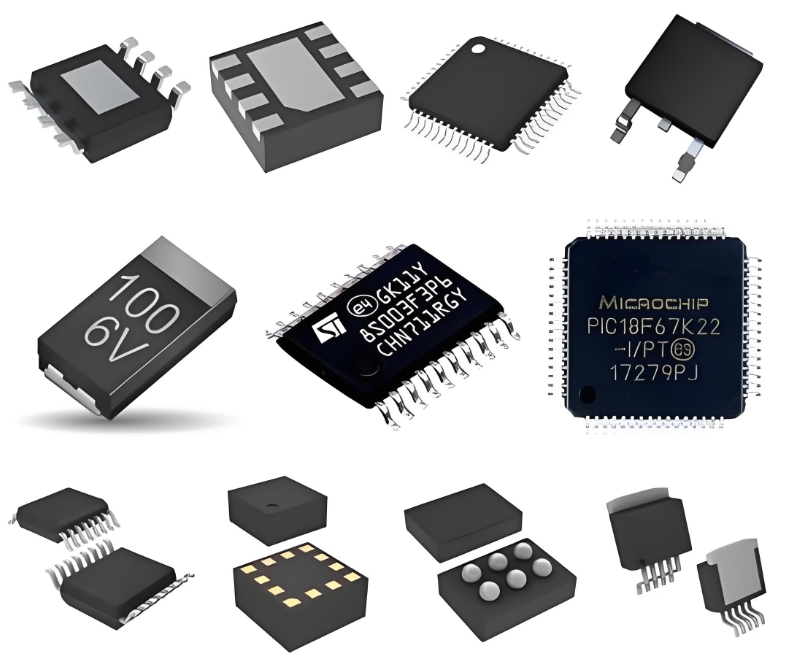
The "EX" was more than just a condensed 386; it was hardened for real-world operation. It featured a System Management Mode (SMM), an early power-management technology that allowed the CPU to enter low-power states or respond to external events without OS intervention. Furthermore, its design emphasized resilience, with features to withstand the harsh environments of medical equipment, avionics, and industrial machinery. Its influence was profound, powering critical systems from the NASA Mars Pathfinder Sojourner Rover to countless networking cards and telecommunications infrastructure. It proved that the PC architecture was robust enough for mission-critical applications beyond the desktop.
For engineers, the 386EX offered a familiar x86 programming model, which was a significant advantage over more exotic RISC architectures. This allowed for a vast pool of software tools and developer knowledge to be applied to embedded design, accelerating time to market. While later processors like the 486 and various Pentium derivatives would eventually succeed it, the 386EX held its ground for years in applications where raw speed was less critical than proven reliability, comprehensive integration, and low power consumption.
ICGOOODFIND: The Intel KU80386EXTC33 is far more than a footnote in CPU history. It is the embodiment of the 386 architecture's ultimate evolution, successfully transitioning from powering PCs to becoming the invisible, reliable brain inside a vast array of advanced embedded systems, leaving a lasting legacy in aerospace, industrial automation, and telecommunications.
Keywords: Embedded Systems, Intel 80386EX, System-on-a-Chip (SoC), Low-Power Design, NASA Pathfinder

